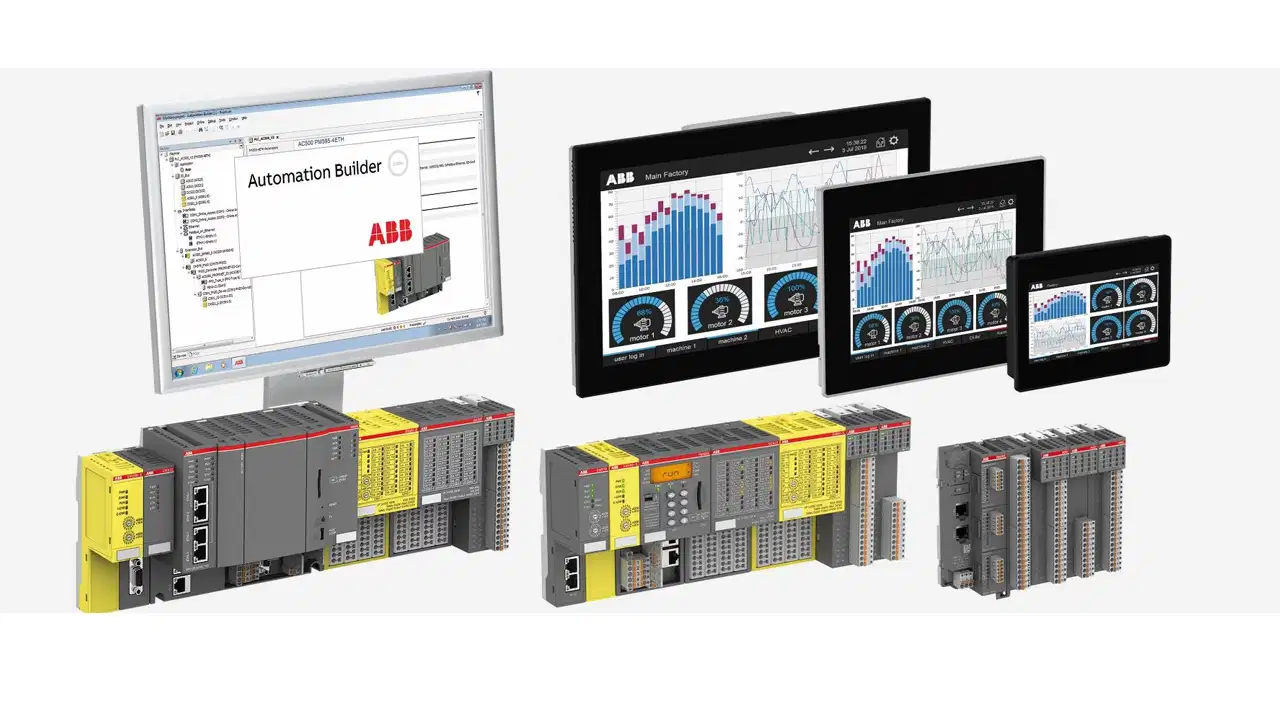
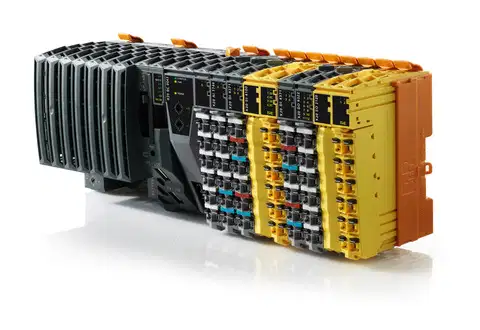
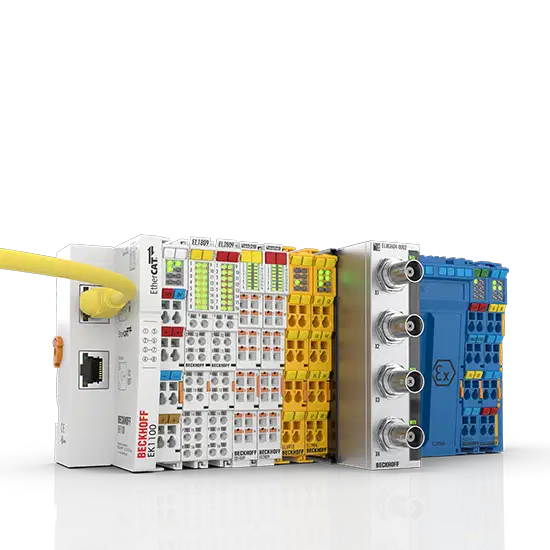
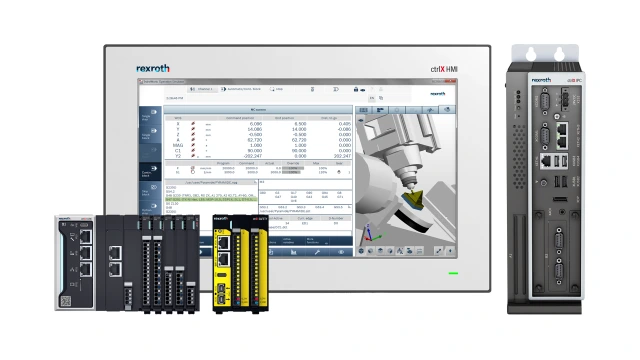
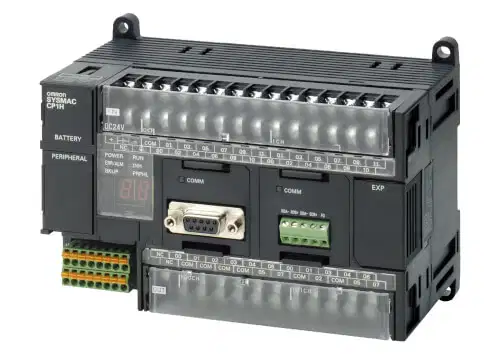
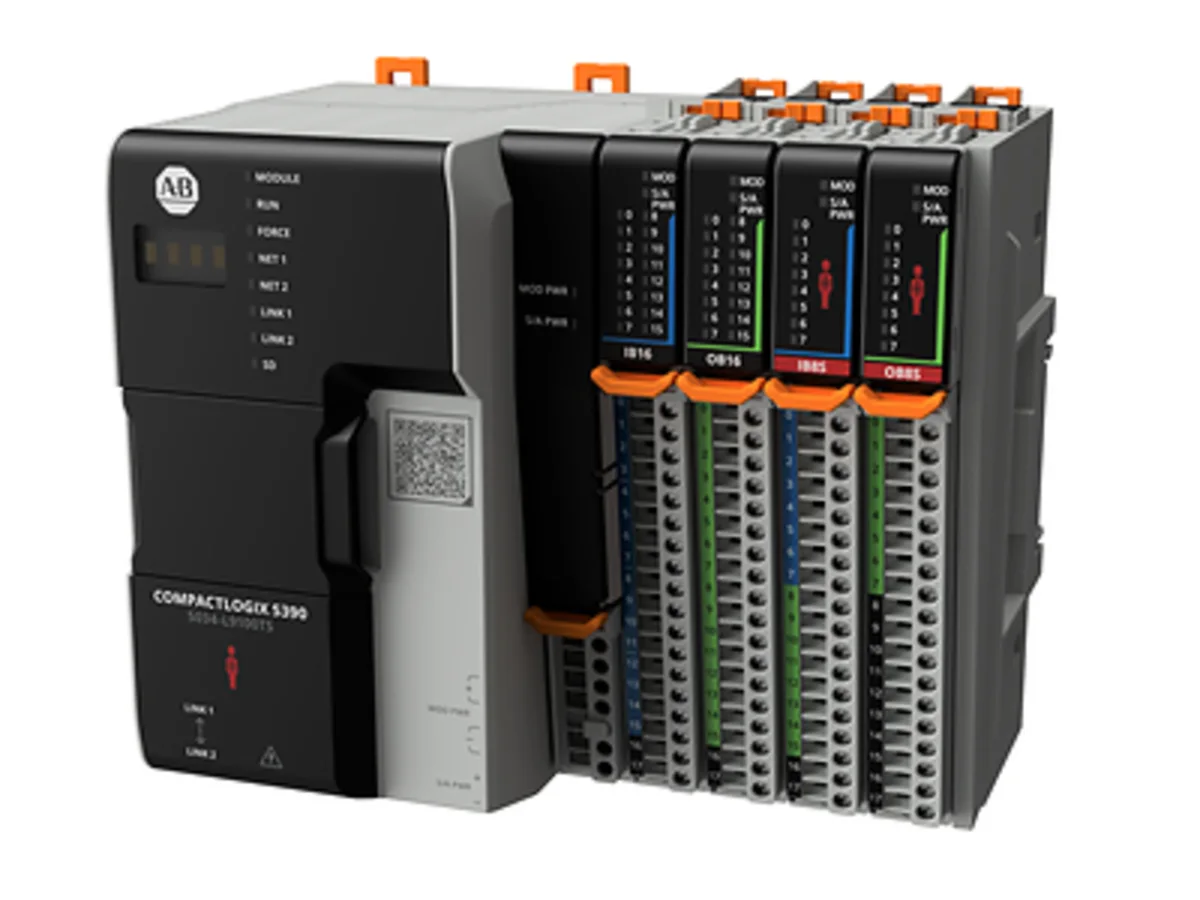
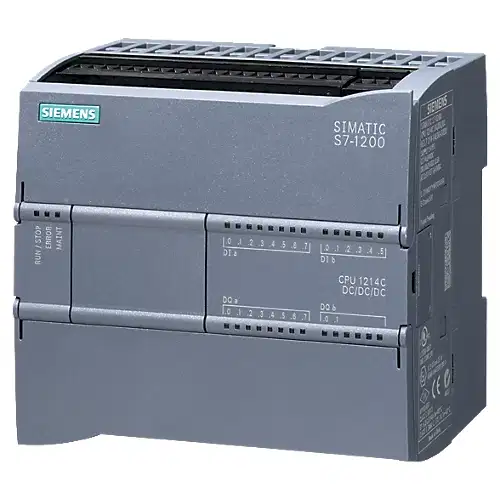
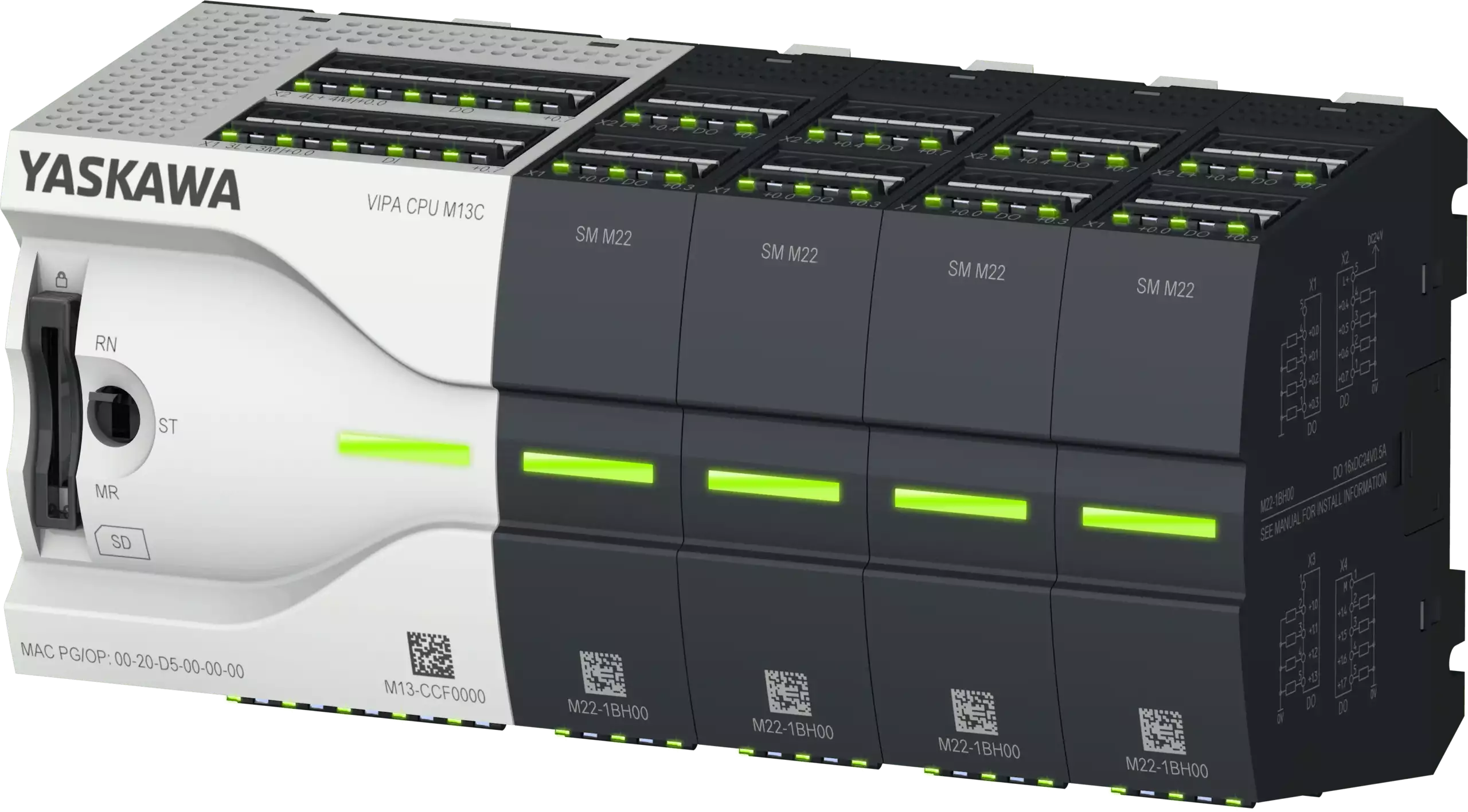
Automation, or control systems, refers to all the equipment that automatically operates a machine or production line. At the heart of the system, the programmable logic controller (PLC) executes a program that reads sensor data, applies logic, and controls actuators. It is accompanied by a human-machine interface (HMI) for the operator and, at the line level, a supervisory control and data acquisition (SCADA) system for control, monitoring, and traceability.
The PLC operates in a cycle: it reads the status of the sensors (inputs), executes the control program, and then activates the outputs (motors, cylinders, valves). The HMI displays the machine's status and allows for parameter adjustment. The supervisory control system aggregates data from multiple machines for control and traceability.
Integration
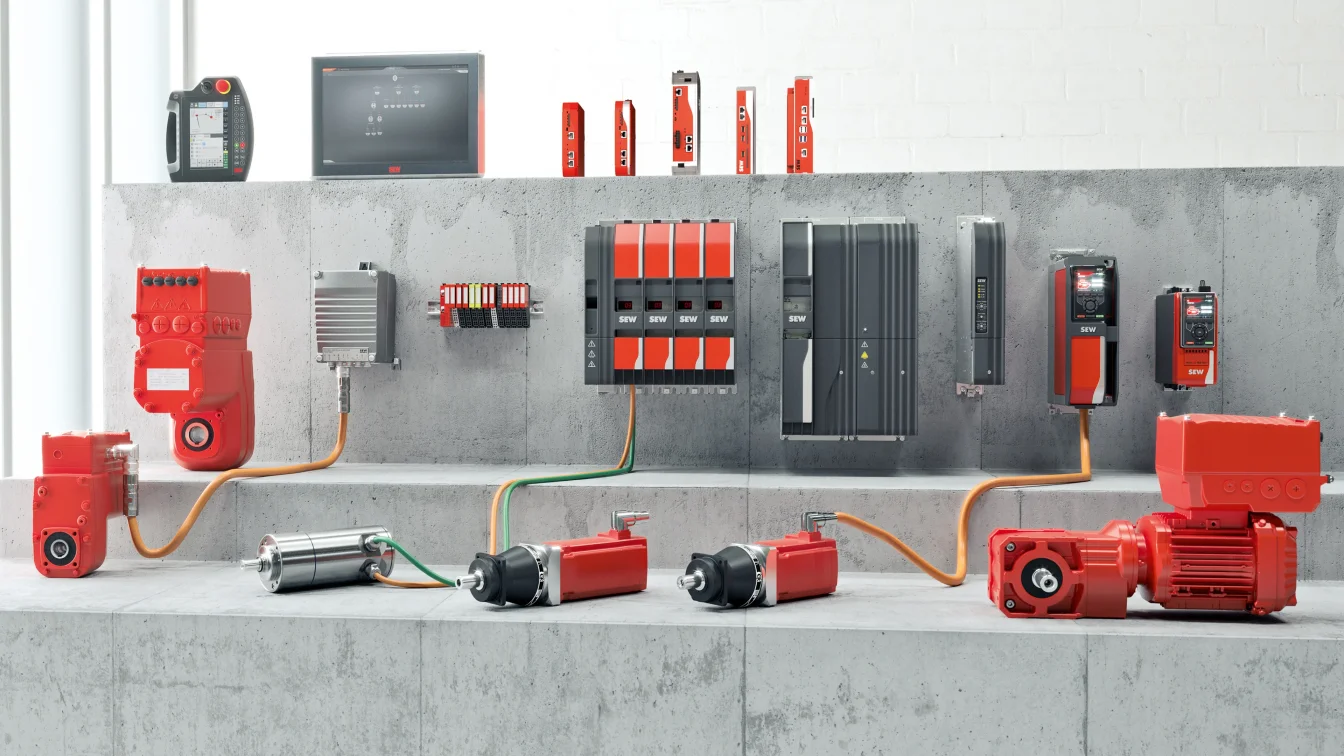
The equipment communicates via industrial networks and fieldbuses (Profinet, EtherCAT, EtherNet/IP, IO-Link). Remote inputs/outputs reduce cabling. The automation system coordinates drives, servo drives, robots, and safety systems, and sends information back to the supervisory control and data acquisition (SCADA) system or the MES (Manufacturing Execution System).
Options & configuration
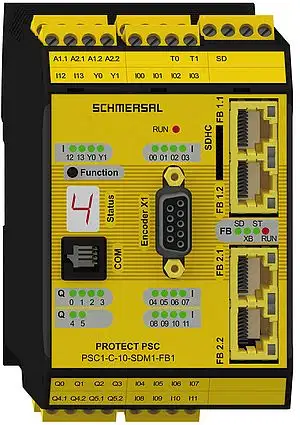
Axis and motion controllers, safety PLCs, redundancy for critical processes, edge and IIoT modules for data collection. Programming follows the IEC 61131-3 standard. The configuration adapts to line size, from compact controllers to distributed systems.
Benefits
Centralized and repeatable control of the machine or line.
Quick change of format or recipe via the HMI.
Traceability and data transmission to the monitoring system.
Diagnosis and maintenance are made easier by alarms and history logs.
Machine safety is integrated into the control system.
Scalable architecture, from compact controller to distributed system.
Automation/Control Systems Specialists
SIEMENS
Automation, training and digital twin: hardware and software for the connected industry.
Components & SystemsSolutions & Services,Solutions Digital
This encompasses all the equipment that automatically controls a machine or production line: programmable logic controller (PLC), human-machine interface (HMI), and supervisory control and data acquisition (SCADA) system. The PLC executes the control logic based on the sensors and actuators.
What is the difference between a PLC (Programmable Logic Controller) and a SCADA system?
The PLC (Programmable Logic Controller) controls the machine in real time, at the field level. The SCADA system monitors one or more lines: it visualizes, records, and controls at a higher level, without directly controlling the actuators.
What is a user interface?
The human-machine interface (HMI) is the screen through which the operator monitors the machine's status, adjusts parameters, and receives alarms. It provides the link between the automated system and the user.
What networks connect the automation equipment?
Fieldbuses and industrial networks such as Profinet, EtherCAT, EtherNet/IP or IO-Link connect PLCs, sensors, actuators and drives, and limit cabling thanks to remote inputs/outputs.
How is automation integrated into a packaging line?
The PLC coordinates machines, drives, robots and safety systems, then sends data back to the supervisory control system or MES. It ensures workstation synchronization and production traceability.
French expertise at the service of your projects
Looking for an industrial solution, a specific machine, packaging or technical support for your production line?